
9 Entertainment Industry Jobs for Creative Professional
Quick Summary: Success in the entertainment industry requires matching your specific artistic strengths to the right production role. High-demand paths like VFX artistry, concept design, and motion graphics offer significant growth for those who blend traditional craft with digital tools. Platforms like Impleo help creative professionals cut through generic job boards by providing targeted alerts for these specialized positions.
Finding your place in entertainment is less about who you know and more about where you look. Generic boards bury creative media jobs under spam, so talented artists waste hours on listings that never value their craft. We picked nine paths based on growth, demand for artistic skill, and how often they appear on Impleo. Each one rewards creative vision. Keep reading for what the work involves and how to land it.
Table of Contents
Entertainment Career Paths at a Glance
| Job Role | Best for | Skill Focus | Growth Potential |
|---|---|---|---|
| VFX Artist | Top tier for technical art integration | Technical and Artistic | High |
| Concept Artist | Ideal for narrative world-building | Core Artistic | High |
| Storyboard Artist | Best for storytelling and pacing | Narrative/Visual | Steady |
| Motion Graphics Designer | Top for commercial and social content | Design/Animation | Very High |
Navigating Careers in Creative Media
Entertainment studios now want artists who blend traditional craft with digital tools. That shift has opened a wave of creative media jobs across film, games, animation and streaming.The challenge is fit. Your illustration style, motion skills or 3D work belongs in a specific part of the production pipeline, and knowing where saves you months of aimless applying.Below are nine roles worth your attention, with what each one actually involves.
1. VFX Artist
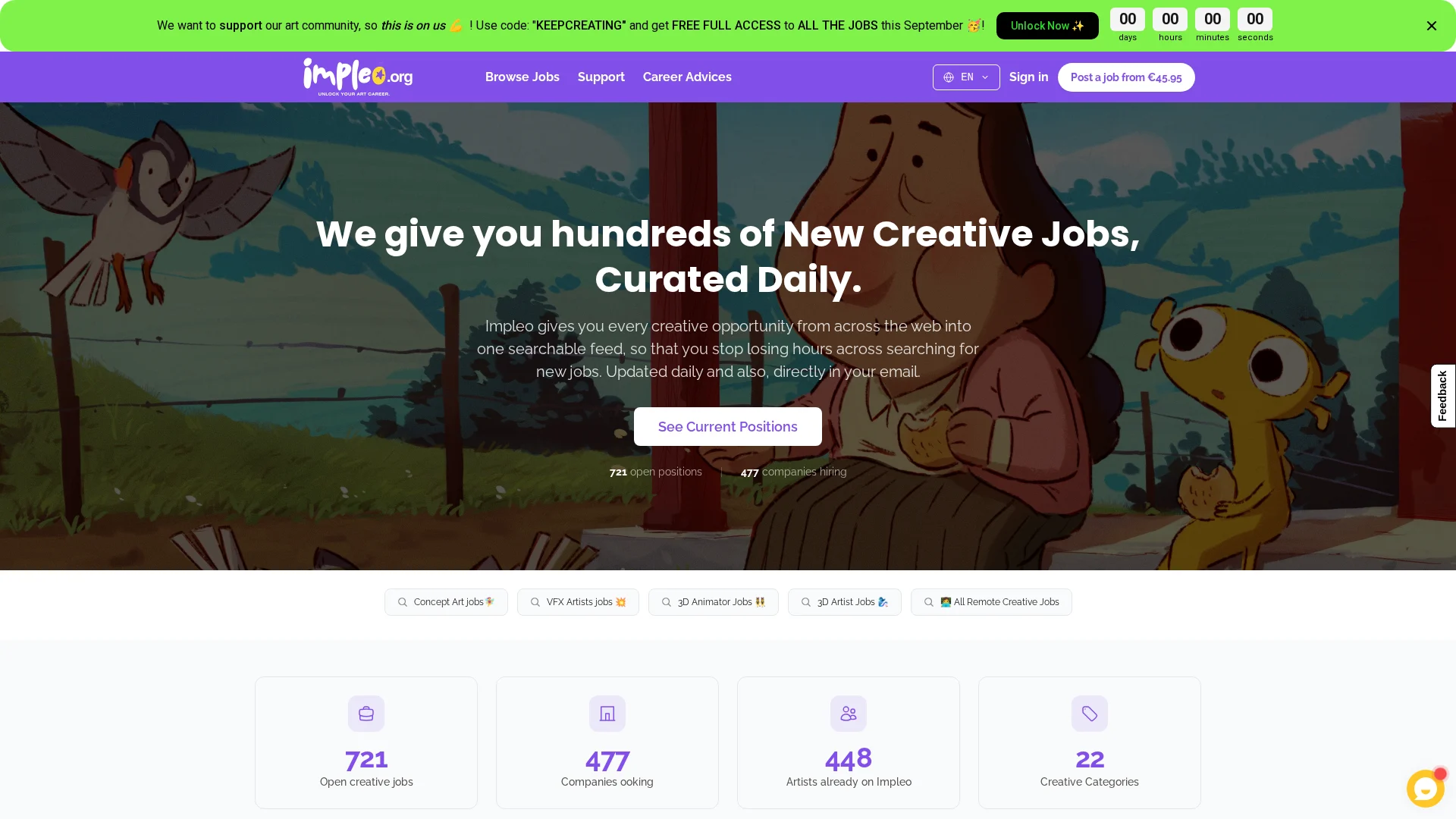
The architects of modern cinematic spectacle, VFX artists blend technical skill with traditional art to build immersive worlds. Demand stays strong across film and games; the animation and VFX market is valued at roughly $220 billion in 2026, according to Mordor Intelligence. Few creative media jobs offer this mix of artistry and stability.
Highlights
- High industry demand
- Collaborative studio environment
- Blend of creative and technical skill
Specs
- Best for: Top tier for technical art integration
- Skill focus: Technical and artistic
- Growth potential: High
Pros
- Great salary potential
- Work on major blockbuster projects
Cons
- Intensive technical training required
- High-pressure deadlines
It ranks first because demand is unmatched across film, television, and game studios globally.Last updated: October 8, 2026
2. Concept Artist
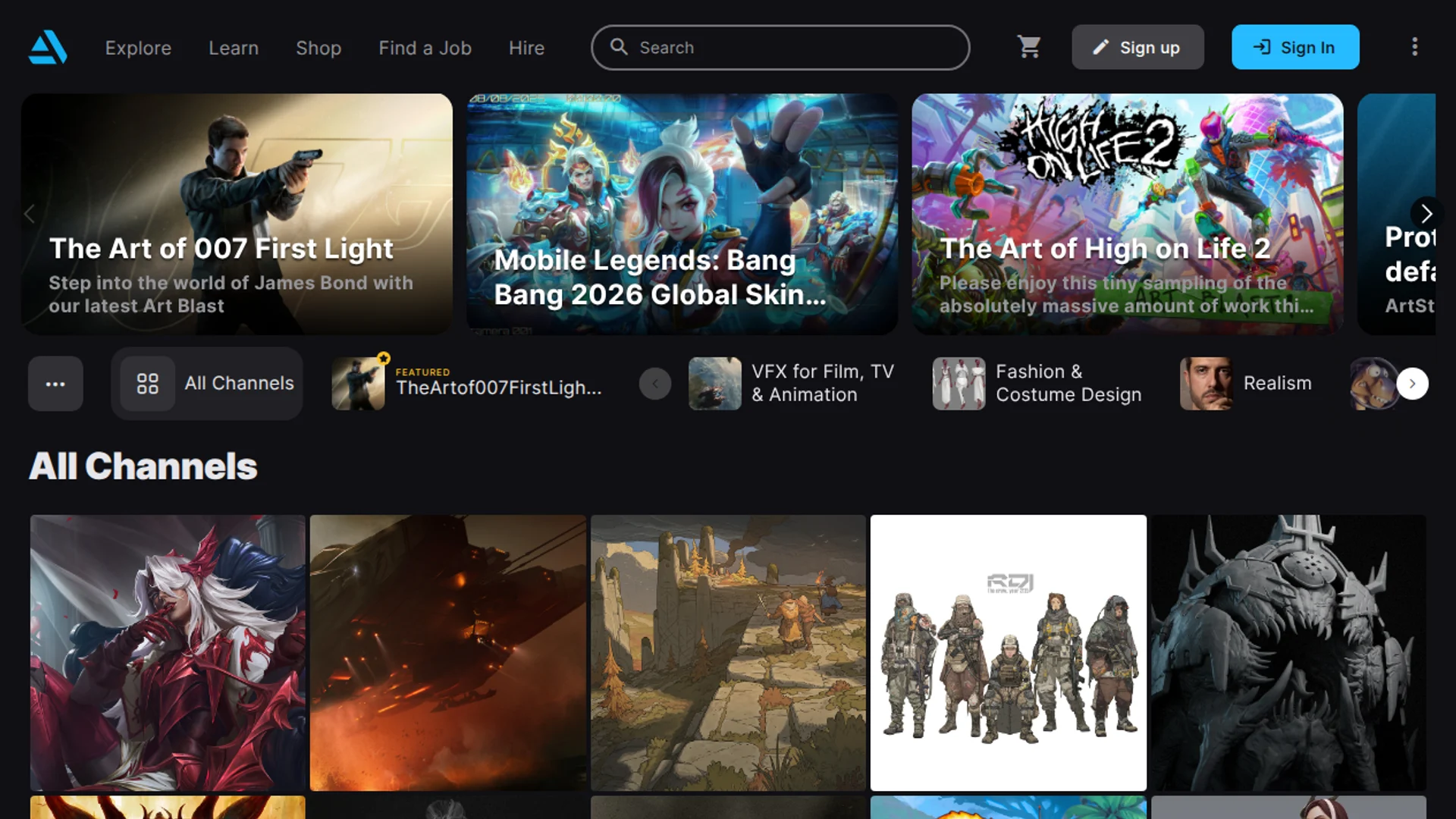
Concept artists are the visual problem solvers of the industry. They set the "look" of characters, environments, and props before production begins. If you have a strong grip on composition and lighting, this is about as fulfilling as creative work gets.
Highlights
- Creative freedom and direct impact on the visual narrative
- Studios value a unique artistic voice, so personal projects matter as much as client work
Specs
- Best for: Narrative world-building in film and games
- Skill focus: Core artistic fundamentals
- Growth potential: High
Pros
- Very fulfilling, collaborative work with lead writers and directors
- Clear path from junior to senior and lead roles
Cons
- Highly competitive, so a refined, portfolio-heavy approach is essential
- Success hinges on how to be a concept artist, not just raw talent, per career guides
It ranks here because it is the gatekeeper role for film and game design, highly valued by creative directors.Last updated: October 8, 2026
3. Storyboard Artist
Before a scene is filmed or animated, someone has to plan it. Storyboard artists translate scripts into visual blueprints, shaping the pacing, camera angles, and flow of each sequence. You work closely with directors, so you need film language as much as drawing skill. Browse current storyboard artist jobs to see what studios expect.
Highlights
- High influence on direction
- Strong ties to directorial teams
- Fast-paced production flow
Specs
- Best for: Storytelling and pacing
- Skill focus: Narrative and visual
- Growth potential: Steady
Pros
- Direct collaboration with directors
- Essential to the production pipeline
Cons
- Requires knowledge of film grammar
- Tight project timelines
It ranks here because boards remain a critical, irreplaceable pre-production step that still depends on traditional drawing skill.Last updated: October 8, 2026
4. Motion Graphics Designer
Motion graphics designers add life and rhythm to static design. They show up everywhere in entertainment: marketing spots, title sequences, and app or streaming interfaces. It's a natural next step for graphic designers, since the work leans on typography, color theory, and animation basics.
Highlights
- Versatile skill set spanning many industries
- Essential for digital marketing teams
- Highly creative, visual output
Specs
- Best for: Commercial and social content
- Skill focus: Design/Animation
- Growth potential: Very High
Pros
- Diverse industry applications
- High project turnover keeps the work fresh
Cons
- Demands mastery of complex software
- Client-driven feedback loops
Streaming and social content keep multiplying, so demand for strong motion design is surging. Track openings for this kind of role through specialized motion graphics career filters.Last updated: October 8, 2026
More Creative Opportunities
Nine roles lead the pack right now, but plenty of other paths offer real creative fulfillment. Impleo's alerts cover these openings too:
- Character Animator - Brings digital performances to life
- UI/UX Designer for Games - Focuses on interactive player experience
- Art Director - Oversees the visual direction of large projects
- Texture Artist - Adds surface detail to 3D assets
- Social Content Creator - Produces engaging short-form media for studios
How to Choose Your Entertainment Career Path
Not sure which job fits? Use these five filters:
- Test your core strengths. Do you think in 3D space or love flat, drawn imagery? That single question splits most roles in two.
- Pick entry points with mentorship. Studio assistant roles that rotate you through departments teach faster than isolated gigs.
- Curate your portfolio. Show only the work you want to be hired for, not everything you have finished.
- Choose a platform with a real opportunities. Impleo pairs exclusive job alerts with targeted updates, so opportunities reach you instead of hiding in a feed.
- Check the pace. Production roles sprint; asset-focused roles reward deep focus.
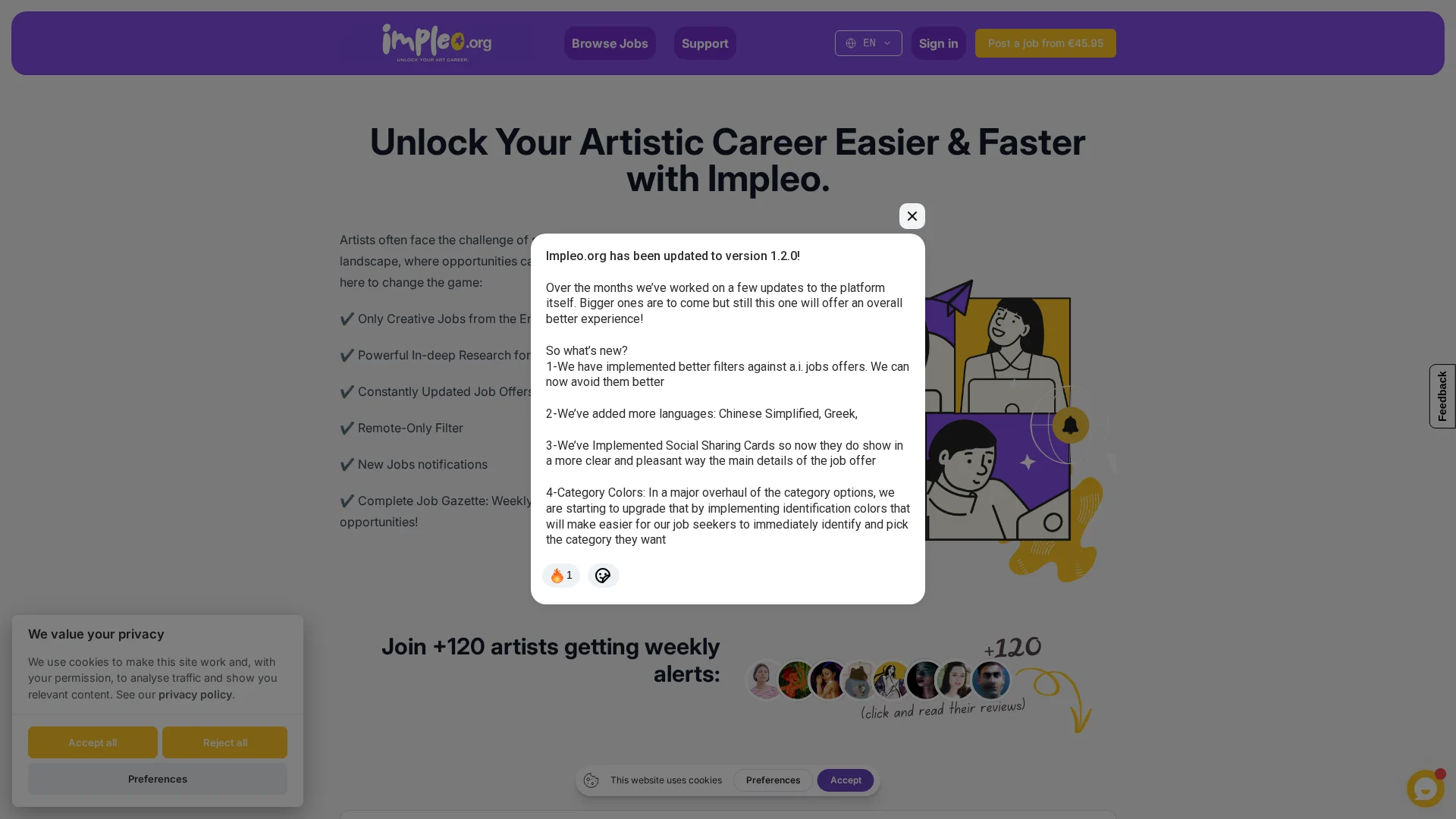
Which of these nine jobs fits your skills best? Find live openings for it on Impleo, with targeted alerts that match your craft. Start browsing roles today.
Frequently Asked Questions
Q1: Top entertainment industry jobs for students?
Look for entry-level roles with flexible hours: production assistant, storyboard revisionist, junior illustrator, social media content creator, and VFX roto/paint artist. These build real credits while you study.
Q2: Do I need a degree for entertainment industry jobs?
Usually no. Portfolios and credits matter most. A strong reel, client list, or project history often beats formal education, especially for freelance and remote creative roles.
Q3: How do I find remote creative jobs in entertainment?
Filter job boards by remote roles and set alerts. Impleo sends targeted notifications for worldwide remote listings, so you can apply before positions get crowded.
Q4: What salary can beginners expect?
Entry-level roles vary widely. Production assistants earn around $18-25 per hour in the US, while junior artists and designers often start between $40,000-55,000 annually. Union gigs typically pay more.