
Creative Job Opportunities in 2026: Where Hiring Is Growing
Creative Job Opportunities in 2026: Where Hiring Is Growing
Quick Summary: Creative hiring in 2026 is steadiest in design and screen-based fields like VFX, animation, and games, with most game growth happening outside North America and Western Europe. Figma's survey found 82% of design leaders say their need for designers has grown or held steady, and 40% plan to add roles within six months. The article's main advice is to search 3-5 related job titles per skill and set targeted alerts, since studios post the same work under different names. Impleo is pitched as a tool that tracks entertainment industry hiring worldwide and sends real-time alerts across those roles.
A storyboard artist might find work at a film studio, but also in games, advertising, or interactive media. Search one job title and you can miss half the openings. That is the core problem: creative hiring spreads across many roles and industries, so it is hard to know where to look. This guide maps the areas adding creative jobs in 2026, with role examples and a realistic search approach. Set up targeted job alerts and you cover more ground with less effort. It draws on Impleo's worldwide tracking of entertainment industry hiring.
Table of Contents
Where Creative Hiring Is Showing Opportunity in 2026
Hiring is uneven, but two areas keep showing steady demand: design and the screen-based industries. Here's where the openings are.
Design, product, and brand work
Design hiring is recovering. In a global survey, 82% of design leaders said their need for designers has grown or held steady, and 40% plan to open more roles within six months, according to Figma's study. Employers now favor senior, AI-fluent designers, so show tool fluency in your portfolio.
Video, animation, VFX, and games
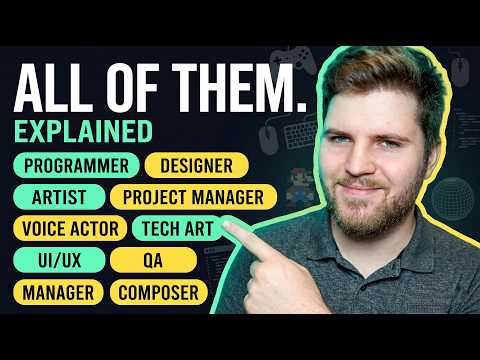
Games are bouncing back, with hiring forecast to keep accelerating through 2026, though most growth sits outside North America and Western Europe. Studios are also leaning harder on external contractors, which is good news for freelancers. Demand for game designers is spreading beyond games into tech, education, and publishing, per Fast Company.Because these roles fill fast, set targeted job alerts so VFX, animation, and game openings reach you the day they're posted. Impleo sends real-time job alerts for entertainment roles worldwide, remote or local.
 ▶ Watch on YouTube
Look Beyond Traditional Entertainment Employers
Adjacent sectors and project-based work
The studios everyone thinks of first hire a limited share of creative talent. Most openings sit in quieter places: game studios, advertising agencies, architecture firms, museums, publishing houses, e-learning companies, and brands with in-house design teams. Healthcare, tech, and retail all need illustrators, motion designers, and 3D artists too.Project-based work widens the field further. Contract roles, festival productions, themed entertainment, and short freelance stints can build your portfolio faster than one permanent position. Many artists now mix a part-time studio job with freelance clients on the side.Track openings across these sectors, not just film and TV. A tool like Impleo that monitors entertainment industry jobs worldwide helps you spot adjacent roles you would otherwise miss.

Build a Search That Finds More Than One Job Title
Set useful job alerts
Most listings never use the exact title you typed. A studio hiring a "texture artist" may also post the same work as "surfacing artist" or "material designer", so a narrow alert hides real openings. Cast a wider net instead.
- List 3-5 related titles per skill, including junior and freelance versions.
- Search by skill keywords ("ZBrush", "storyboarding"), not just job names.
- Add location and remote filters so alerts stay relevant.
- Review weekly and prune terms that return junk.
Platforms such as Impleo let you set targeted notifications for several creative roles at once, so one alert covers a whole family of titles. Over time, drop what never matches and keep the terms that bring interviews.

artistic job alerts turn this from a chore into a habit.
What to Prioritize as Roles and Tools Change
Tools shift fast; fundamentals do not. Put your energy where hiring actually happens, not where the loudest trend points.
- Adaptable core skills. Drawing, composition, storytelling, and clear client communication carry across every tool change.
- One strong specialty. Studios hire for a defined role first and flexibility second.
- Proof of work. A current portfolio beats any certificate, so update it every quarter.
- Remote readiness. Many entertainment roles now hire across borders, so reliable workflow habits matter.
Track which roles appear repeatedly in postings rather than chasing every new tool.
For a steady view of where demand is heading, check curated art job openings and adjust your skills to match.
Ready to stop scrolling through stale listings? Impleo sends you targeted alerts for creative jobs that match your skills, worldwide, in real time.
Frequently Asked Questions
Q1: Where are the leading creative job opportunities now?
Games, film VFX, and advertising keep hiring steadily, with strong remote demand worldwide.
Q2: Do I need a portfolio site?
Yes. Three to five strong, recent pieces beat ten mixed ones.
Q3: How do I find roles faster?
Platforms like Impleo send targeted alerts so you apply early, before listings close.
Conclusion
Creative hiring in 2026 rewards focus: pick a growing area like VFX, illustration or game art, build a portfolio that matches it, and search where those roles actually post. A steady stream of targeted creative job opportunities makes that search faster and far less scattered.